
Turn a brand activation or product launch brief into a workable event. Plan demonstrations, design, guest flow, technical production and measurement ownership.
Translate a brand brief into a deliverable guest journey, demonstration and production plan.
A successful production plan for a brand activation or product launch connects the audience action, creative concept, physical environment and live operation. Define what guests should experience, then plan the demonstration, layout, technical systems, staffing and follow-up around it. Evaluate a production company by how it turns that brief into a deliverable scope, not only by the appearance of its creative pitch.
Key takeaways
- Define the audience action before developing the physical experience.
- Connect design, demonstrations, staffing and technical testing.
- Assign business measurement and follow-up separately from production.
A brand activation invites people to engage with a brand through an experience. A product launch introduces an offering or milestone. The two can overlap, but the event still needs a clear purpose and an operational plan suited to the audience.
What do you want a guest to understand or do?
Begin with the intended audience: customers, partners, employees, press, creators or another defined group. Identify the message and the action the experience should support. Watching a reveal, trying a product, meeting an expert and discussing a partnership require different environments.
Keep the primary action clear. If every visitor is expected to watch a presentation, join a demonstration, complete an activity, speak to sales and create social content, decide which moments are essential and how they fit together.
Avoid treating "engagement" as a complete brief. Describe the interaction in practical terms so the design and production teams can plan for it. Your organization can then decide how it will assess whether that interaction occurred and whether it was useful.
How do you turn the concept into a guest journey?
Map the experience from invitation and arrival to participation and departure. Explain how guests will understand where to go, what they can do and what happens next. Consider whether people arrive together or throughout an open period.
Connect each touchpoint to a purpose. An entrance moment may establish the visual identity. A demonstration area may support product understanding. A quieter space may allow a more detailed conversation. Those elements should work together rather than compete for attention.
Ask the production team to review queueing, circulation, sightlines and staffing alongside design. A compelling installation needs a practical way for guests to approach, use and leave it.
Separate the creative concept from its implementation requirements
A concept deck establishes direction. Implementation requires dimensions, materials, supplier responsibilities, production files, access, installation time and relevant venue review. Ask the team to explain how the design moves from approval to delivery.
Clarify who coordinates fabrication, rentals, signage, lighting and technical systems. Specialist partners may provide those elements. The production company should describe its management role accurately rather than implying that every part is built in-house. The event fabrication guide explains the build decisions in more detail.
If your creative agency has already developed the concept, share the approved materials and the areas where adaptation is allowed. The guide to hiring standalone event services explains how a defined design engagement can work with an existing team.
What does a live demonstration need beyond a screen?
Document the complete demonstration sequence: presenter, device, content, connection, audience view and the interaction expected. Identify what must be available for it to work and who owns each dependency.
Test the demonstration in conditions that reflect the planned setup. If it relies on connectivity, account access, sound or a particular device, include those elements in the review. Ask the product team to identify approved alternatives if the intended demonstration cannot proceed.
A fallback might be a different demonstration path or a clearly introduced recorded example, if the client approves it. Do not present a recording as a live demonstration. The host and technical team should understand how to explain and execute any alternative honestly.
How should press, VIPs and invited groups be handled?
Different guests may need different arrival information, access or time with speakers. Identify those needs without making the overall guest experience confusing. Assign a contact for media coordination, executive support and any scheduled interviews or demonstrations.
If the event includes an announcement or sensitive product information, the brand's communications team should control approved messaging and release decisions. Production supports the environment and schedule; it does not automatically own the PR strategy.
Confirm permissions for recording, photography and distribution through the organization's approved process. A content-capture team needs to know what it can film and how those assets may be used.
What should you ask about staffing?
Match staffing to the interaction. A demo station may require someone with product knowledge. Registration needs a clear exception process. A stage requires technical operation and program coordination. A guest host may help people understand the activation without being qualified to answer detailed product questions.
Identify who trains each group and who updates the briefing if the message or product changes. The staff script should be accurate and useful rather than a collection of unsupported product promises.
For an activation that runs over multiple sessions or days, define handoffs and replenishment. Decide who resets the environment, checks materials and ensures the next team starts with current information.
Use a production readiness map
The following framework is an editorial planning tool, not a report of a specific client event.
Use a production readiness map
Core message
Guest journey
Design
Demonstration
Staffing
Content capture
Follow-up
Use the map to focus the final review. An approved rendering does not mean the demonstration is ready. A working demo does not mean guests know how to join it.
What can you learn from documented production examples?
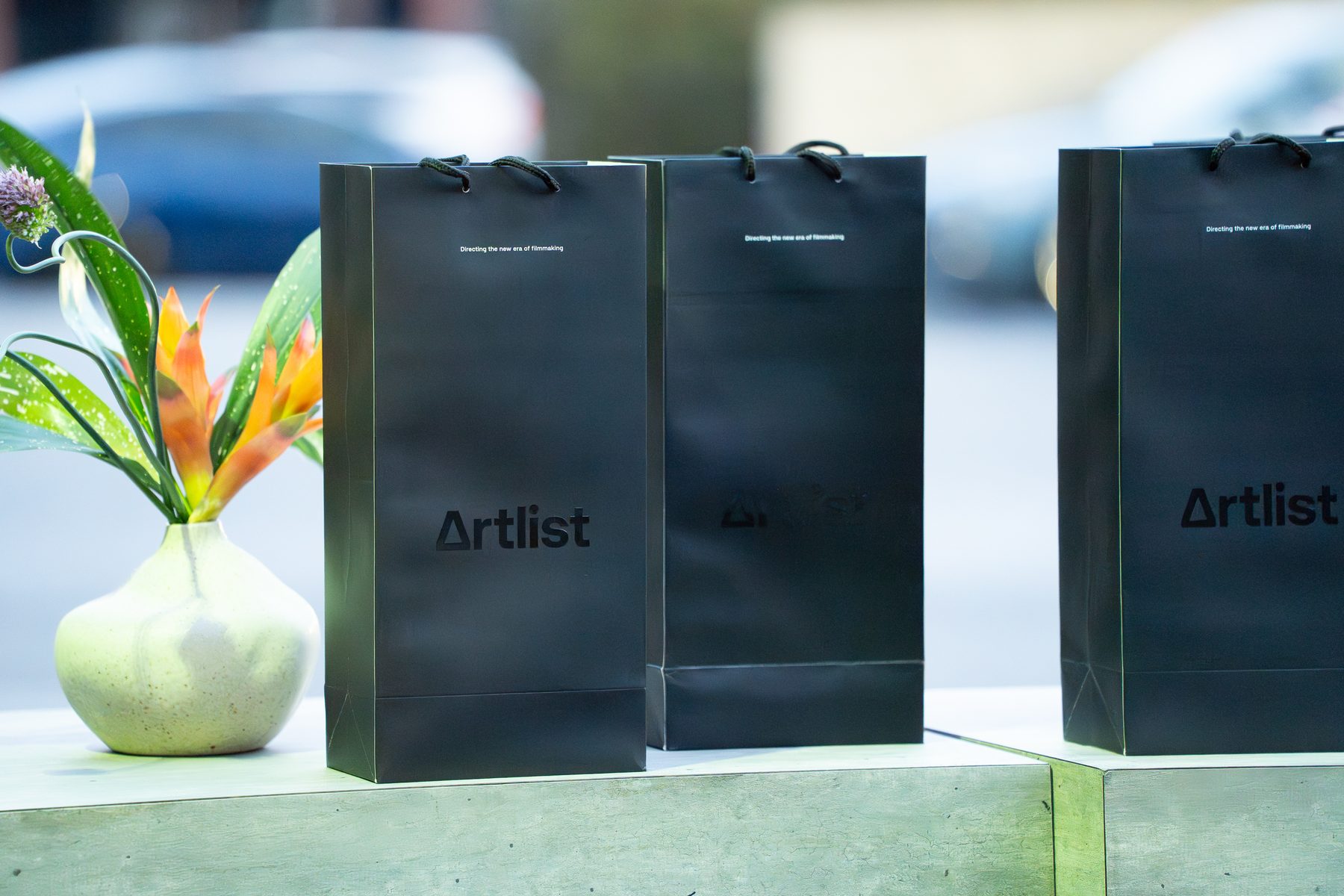
Event Pros LA's Artlist Studio launch case includes a large projection surface, demonstrations and conversation-focused areas. Those details show why a launch needs both presentation capability and space for people to explore the offering. They do not establish a particular number of leads or sales.
The Better Nutritionals facility opening connected tours, a keynote, a ribbon cutting and dinner at an active manufacturing campus. Its operational challenge was different: multiple audience groups and program phases within a working site.
When evaluating a producer, ask it to explain how the brief shaped those choices and what its role was. Then ask what would be different for your audience, venue and product rather than requesting a copy of another brand's event.
How do you assess the budget and proposal?
Check whether the proposal covers concept development, implementation coordination, technical production, staffing and on-site leadership, or only part of that work. Identify materials and services supplied by the brand, venue or another agency.
Pay attention to revisions and late approvals. Custom elements and technical demonstrations can depend on information arriving in the right sequence. Ask how changes will be priced and how the team will explain their schedule effects.
For a defined design or AV assignment, establish who owns the overall event. Use the proposal comparison guide to align scope before comparing totals.
Who measures the outcome after the event?
Decide before the event which evidence your organization will collect and who will interpret it. Participation, conversations, content assets and sales follow-up answer different questions. Do not combine them into a single success claim without a defensible method.
Production can deliver the agreed experience and document its scope. Your marketing, communications, product or sales teams may own the broader outcome analysis. Event Pros LA does not present ROI analytics as an automatic part of event production.
An operational debrief should still identify practical lessons: how guests used the space, where the demo required support and which handoffs need improvement. Those observations can inform the next brief without becoming invented performance statistics.
Frequently asked questions
Does a launch need a large custom build?
No. The appropriate environment depends on the message, audience and interaction. A focused demonstration or carefully produced presentation may serve the objective better than a large installation. Evaluate design choices against the brief and budget.
Can Event Pros LA work with our creative or PR agency?
Yes, collaboration with existing partners can be discussed. Identify who owns concept, messaging, media relationships and production, and establish a clear approval process for the shared deliverables.
Is a brand activation the same as a trade show booth?
They can overlap, but a booth operates within a show's space and exhibitor requirements. An activation is the guest interaction and brand experience, which may happen at a booth or another setting. The trade show services page addresses that specific production context.
Connect the idea to a workable event
Event Pros LA provides brand activation and launch production, alongside scoped event design and AV support. Share your brief, including the audience action, existing partners and the work you need the production team to deliver.
Found this useful? Share it.
Planning an event?
Get a clear, itemized proposal.
Tell us the date, the guest count and the support you need, whether it's one service or the full production. Pricing follows a discovery call, with the scope and the costs itemized.
Share