
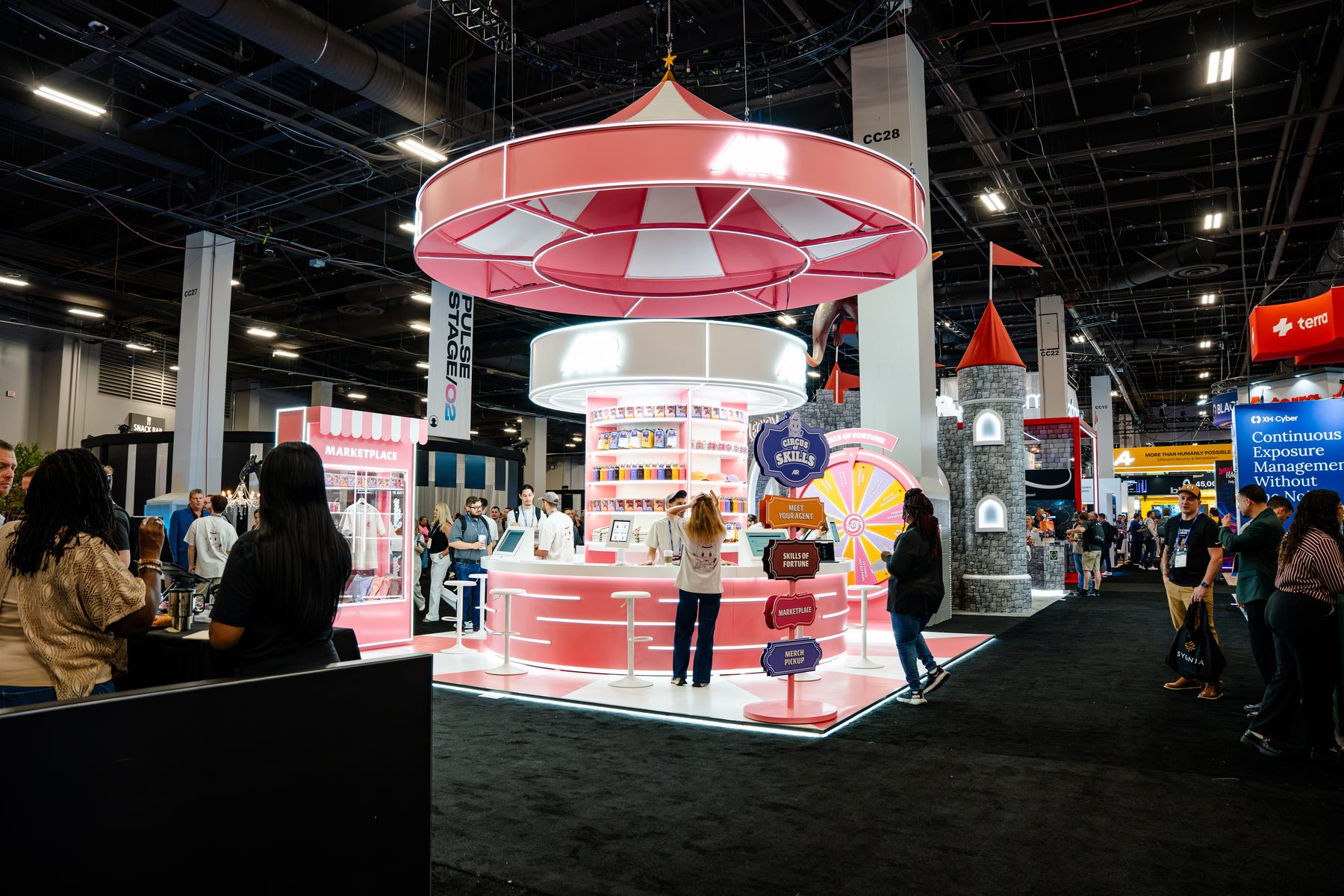
Use this conference AV checklist to review sound, screens, lighting, speakers, remote participation, rehearsals and technical staffing before approving a proposal.
Review the systems, crew, content workflow and rehearsal responsibilities behind a conference AV quote.
A conference AV proposal should explain how sound, screens, lighting, content, crew and rehearsals will support the program. It should cover installation, testing, live operation, coordination with the venue and agreed breakdown responsibilities. Equipment matters, but the proposal also needs to identify who makes the system work throughout the event.
Key takeaways
- Build the technical scope around the agenda, content and audience.
- Confirm operators, rehearsal, speaker support and venue coordination.
- Define responsibilities between AV delivery and overall event management.
The right technical scope starts with your agenda and audience. A keynote presentation, a panel, a software demonstration and a remote speaker each create different requirements. Share those needs before trying to compare equipment lists.
What information should you give the AV team?
Provide the venue, room layouts, audience size, preliminary agenda and the activities happening in each space. Identify simultaneous sessions and any transitions between different room uses. Share the periods available for installation, testing, rehearsal and removal.
Describe the content. Will speakers use slides, video, audio, live demonstrations or remote connections? Do presenters need to see notes or a timer? Will the event be recorded, streamed or interpreted? If decisions are still open, mark them as assumptions to revisit.
Also identify the people responsible for program approval, presentation files, speaker communication and venue coordination. Technical planning becomes harder when the team receives incompatible instructions from several sources.
Does the sound plan match the room and program?
Ask the technical team to explain how attendees will hear the program and how speakers will be supported. The microphone plan should reflect the actual moments: keynote, panel, audience questions, awards or a performance. Consider how microphones move between speakers and who manages that handoff.
Clarify whether sound for an overflow space, recording or livestream requires additional coordination. The sound heard in the room and the sound sent to another destination need appropriate technical planning.
You do not need to select equipment models yourself. You do need to understand whether the proposal covers the program, who operates the system and how the team will respond if a microphone or source becomes unavailable.
Can everyone see the content they need?
Review screens and sightlines against the proposed seating plan. Dense technical slides create a different viewing challenge from a large brand graphic. Ask the team to assess the actual content from representative audience positions rather than relying only on screen dimensions.
Decide what speakers need to see: their current slide, notes, a timer or a view of remote participants. Clarify who prepares and operates those feeds. If multiple rooms use shared content, establish a reliable method for distributing approved versions.
For a demonstration, identify the display source and any connection or switching requirements. Test it with the intended device and software configuration before the audience arrives.
Is lighting supporting both people and presentation?
Lighting should help the audience see presenters and move through the event while supporting the visual design. If the program is recorded or streamed, discuss the camera requirements alongside the room experience.
Ask how stage lighting, house lighting and decorative lighting will work together. Confirm who controls changes during the show and whether those cues are in the run of show. A visual concept needs a practical operating plan.
Staging, overhead installations, power distribution and rigging require the relevant qualified specialists and venue review. The buyer's role is to ensure those responsibilities are assigned, rather than attempting to resolve technical safety requirements from a checklist.
Who manages presentations and last-minute changes?
Choose a content owner and an approved submission workflow. Record presentation titles, speaker names, file versions, media requirements and deadlines. Explain what happens when a speaker supplies an updated deck after the technical review.
The production team should know which version to play and who may authorize a replacement. Keep a controlled set of show files rather than a collection of similarly named email attachments. Test embedded media and the intended transitions between sources.
Late changes may still happen. The useful question is how they will be checked and communicated without disrupting the rest of the program. Agree which changes can be accommodated within the remaining preparation time.
What additional planning does a hybrid session need?
Treat remote participation as part of the program. Identify what the remote speaker hears and sees, how they enter the session, how questions are handled and who communicates with them while the room is live.
Ask the technical team and venue to confirm the relevant connectivity requirements and test the actual session setup. Decide how the host should continue if a remote participant loses connection. A prepared holding line, alternate sequence or approved recorded segment may be appropriate, depending on the program.
Clarify recording, distribution and participant permissions with your organization. Technical capability to capture a session does not establish permission to publish its content or use it in future marketing.
How is accessibility addressed in the production scope?
Ask how accommodation requests will reach the production team and who will coordinate any necessary services. Consider accessible content formats, visibility of interpreters or captions, and the relationship between the room system and assistive services.
The U.S. Department of Justice explains that the aid or service needed for effective communication depends on the nature, length, complexity and context of the communication, as well as the person's normal method of communication. Appropriate aids can include real-time captioning or qualified interpreters. Use its effective communication guidance as a reference and have the responsible team assess the specific event.
Make the agreed services visible in the plan and budget. Do not assume that a generally accessible building or an online platform setting resolves every communication need for the event.
Which crew roles does the proposal cover?
Roles vary with the production. Ask who handles technical leadership, sound, lighting, video or playback, remote connections and stage activity. Some responsibilities may be combined on a simpler event; simultaneous activity may require separate coverage.
A show caller coordinates the sequence of show cues. A technical operator executes work within a particular system. A stage manager may coordinate who is ready to enter the stage. The exact division should be agreed rather than inferred from job titles.
Find out who is the overall event lead. A standalone AV engagement may cover technical delivery while another team retains guest operations, catering, content decisions and the broader event schedule.
What should happen at rehearsal?
Distinguish a system test from a program rehearsal. A technical test checks whether the equipment and connections work. A rehearsal checks whether people, content and cues work together in the planned order.
Prioritize moments with dependencies: a remote introduction, a video leading into a keynote, an awards walk-on or a live demonstration. Confirm how speakers enter and exit, what the host says and who gives the cue to proceed.
Record changes and distribute the current run of show afterward. If rehearsal time is reduced, ask the production lead which risks remain and what scope adjustments are sensible. Do not assume a shorter rehearsal has no effect simply because the equipment is installed.
Use this AV proposal review table
Use this AV proposal review table
Program coverage
Sound
Visuals
Lighting and stage
Remote participation
Accessibility
Staffing
Rehearsal
Venue coordination
Completion
For each row, note whether the requirement is included, optional, supplied elsewhere or unresolved. That creates a more useful comparison than counting line items on an equipment quote.
What can a relevant conference case show you?
The JFrog swampUP case study covers keynote staging, AV coordination, sponsor spaces and breakout environments. Event Pros LA contributed production leadership as a subcontracted production partner for that San Diego-area event.
Use a case like this to ask about the relationship between the technical build and the attendee program. It demonstrates relevant production work; it should not be treated as evidence that your event needs the same equipment, crew or design.
Frequently asked questions
Is the venue's in-house AV team enough?
It may be. Compare its offered scope against your agenda, content, staffing and rehearsal needs. Confirm how any external production team will work with the venue's required services and who coordinates the whole technical plan.
Can we book AV without full-event planning?
Yes. Event Pros LA can discuss a defined AV production engagement. Identify your overall event lead and make the boundaries with speakers, content, guest operations and venue management explicit.
Does owning equipment make an AV company better?
Ownership alone does not establish fit. Evaluate system suitability, technical expertise, available crew, coordination and support. Ask how the proposed company will source and deliver the equipment and services in your scope.
Start with the agenda
Share your program and venue details with Event Pros LA to discuss technical production as a standalone service or part of conference planning and production. Include the difficult transitions and unresolved questions so they can be addressed in the scope.
Found this useful? Share it.
Planning an event?
Get a clear, itemized proposal.
Tell us the date, the guest count and the support you need, whether it's one service or the full production. Pricing follows a discovery call, with the scope and the costs itemized.
Share