
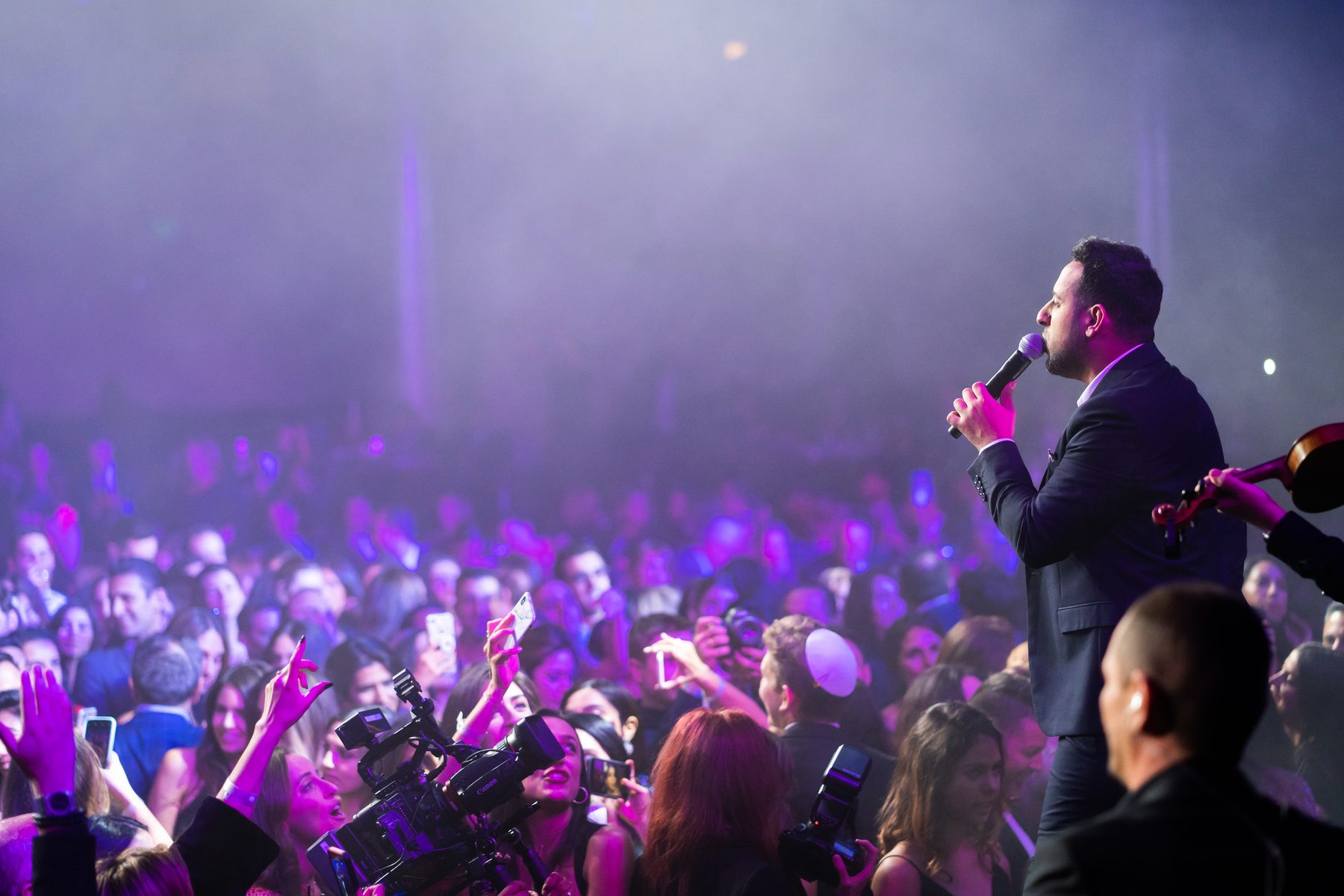
A corporate event planning timeline covering venue decisions, budgets, vendors and production milestones, with priorities for shorter lead times.
Event Pros LA recommends starting around six months ahead for most full-service events, and nine to twelve months for large productions, galas or ticketed events. Use this timeline to understand the decisions and dependencies that shape your schedule.
Updated Oct 2, 20267 min read
Start around six months out for most full-service corporate events, and nine to twelve months out for large productions, galas and ticketed events. That is Event Pros LA's starting guidance, subject to scope and availability, because venues, hotel blocks and specialist crews book first. Shorter timelines can work after a feasibility review, with some flexibility on scope, vendors and decisions.
Key takeaways
- Event Pros LA's starting guidance: around six months out for most full-service corporate events, and nine to twelve months for large productions, galas and ticketed events, subject to scope and availability.
- Lead time is about how long the scarce things stay available: the venue on your date, a hotel block, in-demand crews and entertainment, and permits with fixed filing deadlines.
- Late decisions, not vendors, are the usual schedule risk. Set decision dates as firmly as the event date.
How early to start planning
Lead time isn't about how long the work takes. Most of the work happens in the final eight weeks. Lead time is about how long the scarce things stay available: the venue on your date, a block of hotel rooms near it, the crews and entertainment everyone else wants in the same season, and, in public space, permits with fixed filing deadlines.
Large productions, galas and ticketed events need the longer window for reasons of their own. The largest venues and sites book furthest ahead. A gala's program, honorees and sponsors take time to confirm. And a ticketed event can't go on sale until its date, venue and capacity are fixed.
In Los Angeles, the permit deadlines are concrete. A street-closure special event permit is due 45 days before the event, a large event in a City park needs its proposal at least 60 days out, and food served to the public at a community event needs a County permit application 30 days ahead. The Los Angeles permits guide has the details and sources.
The timeline, month by month
This is the sequence for a full-service corporate event with a real program: a conference day, a sales kickoff, an awards dinner. Large productions, galas and ticketed events start at the top. Most full-service events start around the six-month mark, with the first steps compressed into a few weeks.
From first budget to final invoice
12 to 9 months
Scope, venue and budget
- Objectives and an approved budget, with a contingency line
- Two or three date options
- Venue search and site visits
- A hotel block, if guests travel
- Hold the production partner and any headline talent
6 months
Commit
- If you're starting here, the objectives, budget and venue search come first, within weeks
- Venue contract signed, with load-in and strike windows written in
- Creative concept agreed
- Keynote and speaker invitations out
- Save-the-date sent
4 months
Creative and production planning
- Agenda or program draft
- First floor plan
- AV, staging and lighting design
- Catering direction
- Sponsor and exhibitor packages, for conferences
- Registration opens
3 months
Contract and file
- Vendor contracts signed
- Permits filed for any public space, structures, open flame or public food service
- Branding and signage designed
- Entertainment booked
- Travel and ground transportation planned
8 weeks
Build
- First run of show
- Menus and tastings
- Scenic, décor and fabrication in production
- Speaker briefs
- Staffing plan
4 weeks
Lock the plan
- Final floor plan and power plan
- Rehearsal schedule
- Exhibit and freight shipping, if any
- Guest numbers tracked against the venue minimum
2 weeks
Final confirmations
- Final counts to the venue and caterer
- Final run of show
- Crew call sheet
- Presentation and video deadlines
- Contingency plans written down
Show week
Rehearsals, show and strike
- Load-in and technical setup
- Technical rehearsal, then speaker rehearsals
- Final site walk
- The show, run from the run of show
- Strike, with breakdown responsibilities and any supervision agreed in the scope
After
Close it out
- Vendor settlements and budget reconciliation, as agreed
- A debrief, if you want one, and notes for next time
In the last eight weeks, the run of show becomes the event's working document. For a conference over several days, how to plan a multi-day corporate conference shows how sessions, sponsors and guest flow fit into this sequence.
Planning on a shorter timeline
Shorter timelines can work, after a feasibility review and with some flexibility on scope, vendors and decisions. What's possible depends on what's still available, so treat this as a guide to what each window can usually hold, not a promise.
What a shorter timeline can usually hold
About 12 weeks
About 8 weeks
About 4 weeks
The real schedule risk
Vendors rarely sink a timeline. Late decisions do. A venue held for two weeks too long, a budget approved a month late or a program that keeps changing compresses every step after it, so the most useful thing a planning team can do is set its decision dates as firmly as its event date.
The planning checklist
Use this as a completeness check alongside the timeline. If an item has no owner and no date, it isn't planned yet.
Strategy
- Objectives the event must achieve, written down
- An approved budget with a contingency line
- Who signs off, and by when
Venue and logistics
- Date and backup dates
- Venue contract with load-in and strike windows
- Hotel block, if guests travel
- Transportation and parking or valet plan
Program
- Agenda or run of show
- Speakers, hosts and entertainment confirmed
- Rehearsal schedule
- Floor plan and power plan
- AV, staging and lighting specified
- Scenic, décor and signage in production
- Crew call sheet
Guests
- Invitations or registration
- Dietary and accessibility requirements collected
- Final counts to the venue and caterer
Compliance
- Permits for any public space, structures, open flame or public food service
- Certificates of insurance from every vendor
- Fire and occupancy requirements confirmed
After
- Vendor invoices settled
- Budget reconciled
- A debrief, if you want one, and notes for next year
When to bring in a producer
Before the venue contract is signed, ideally. Load-in and strike windows, required in-house vendors, power, rigging points and labor rules are all set by the venue, and they shape what the production will cost before a single design decision is made. A producer reads the contract for those terms while there is still room to negotiate them.
For Event Pros LA, that means getting in touch around six months ahead for most full-service events, and nine to twelve months ahead for large productions, galas and ticketed events. Shorter timelines are possible after a feasibility review, and a short discovery call is the place to test what yours can hold. For event-specific timing, see conferences and summits, sales kickoffs or corporate holiday parties. For the budget side, see what shapes an event budget.
Frequently asked questions
How far in advance should we plan a corporate holiday party?
Treat December as its own season. Thursday, Friday and Saturday nights in December are among the first dates venues and entertainers fill, so start around six months ahead for a full-service party, and earlier for a large production. If you're reading this in the autumn for a party this year, start with the venue now and build the rest around it; January is a practical alternative when December is full.
How long does it take to plan a conference?
Event Pros LA's starting guidance is around six months for most full-service conferences, and nine to twelve months for a large, multi-day program with an expo floor, sponsors and traveling attendees, subject to scope and availability. The venue, the hotel block and the speakers all have to be secured before registration opens. A single-day meeting at a hotel with in-house AV can sometimes come together faster, depending on what's available.
Can a corporate event be planned in a month?
Sometimes, after a feasibility review. It depends on what's still available, and it works best when the venue can provide most of the production, the program is simple and nothing needs a permit with a long lead time: in the City of Los Angeles, street-closure applications are due 45 days out. A short discovery call is the place to test what four weeks can realistically hold.
When should we bring in an event producer?
Before you sign the venue contract. Load-in windows, required vendors, power and rigging rules are all set by the venue, and a producer reads the contract for what the production will need. Ideally that happens early in the planning window: around six months out for most full-service events, and nine to twelve for large productions, galas and ticketed events.
Found this useful? Share it.
Planning an event?
Get a clear, itemized proposal.
Tell us the date, the guest count and the support you need, whether it's one service or the full production. Pricing follows a discovery call, with the scope and the costs itemized.
Share