
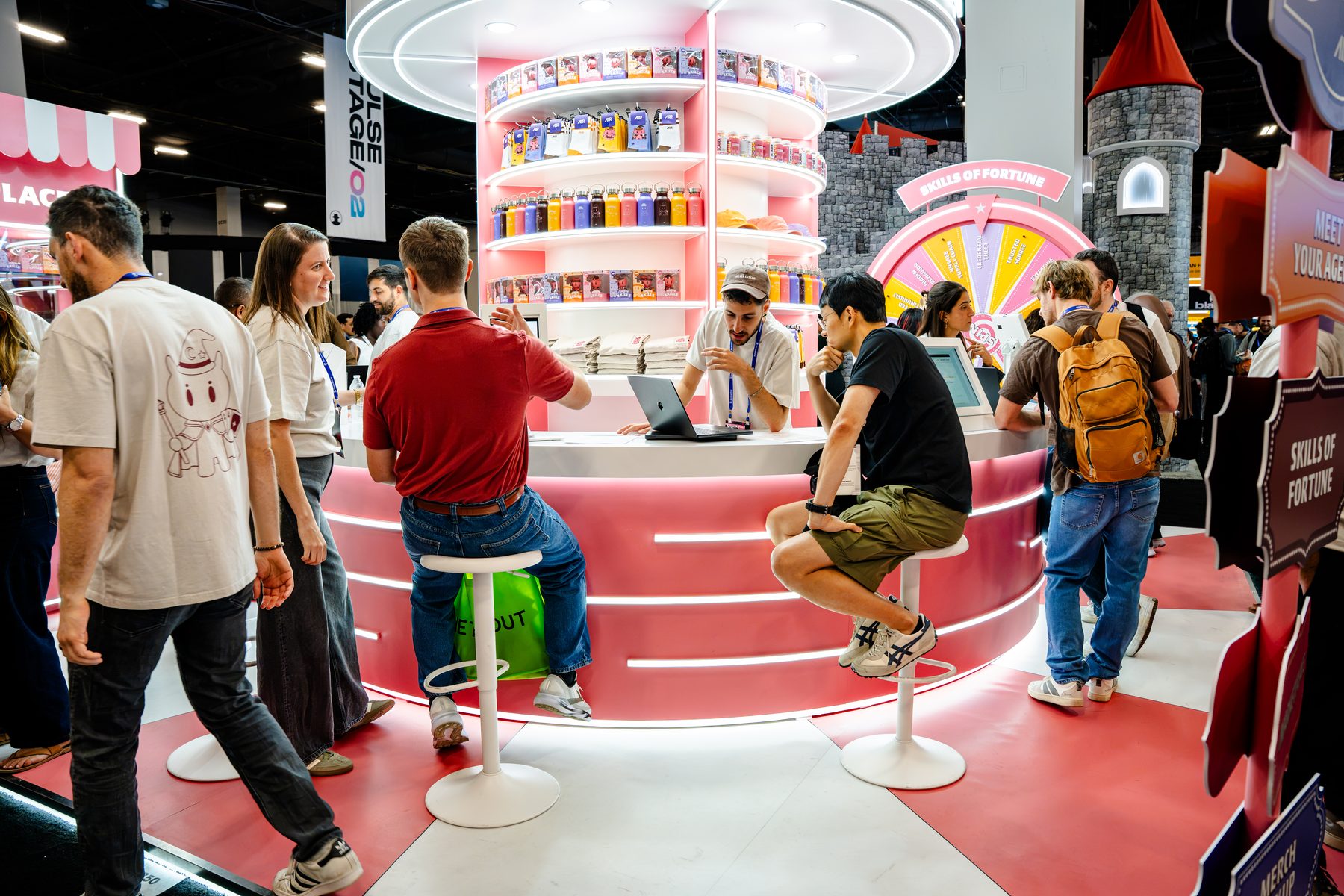
How to plan a multi-day conference: format, venue, agenda, speakers, sponsors, registration and show days, with a conference planning checklist.
Plan a conference from purpose and format through venue, agenda, speakers, sponsors, registration and show days, with a planning checklist.
Plan a multi-day corporate conference as a connected program of people, spaces and production requirements. Define the audience and purpose, build the session structure, then test the agenda against room capacity, transitions, technical needs, hospitality and staffing. A schedule becomes workable when every session has a space, an owner and a plan for what happens before and afterward.
Key takeaways
- Settle the purpose, format and budget before touring venues, then judge each venue against the rooms the program needs.
- Build the agenda around changeovers, and test it against room capacity, transitions and simultaneous activity.
- Run the live days from one current run of show, with authority for changes agreed in advance.
The challenge is continuity. Attendees experience one conference even though different teams may handle registration, stages, sponsors, meals and evening activities. Your production plan needs to connect those teams across the entire program.
The sections below follow the order in which those decisions are usually made; that sequence is the core of how to plan a conference of any length.
What should each day accomplish?
Start with the audience's needs. A customer or user conference might combine product context, practical learning and peer connection. An internal summit might focus on decisions, cross-team work and leadership communication. Decide what belongs in the room and what can be provided before or after the event.
Give each day a clear purpose and identify the moments that anchor it. Do not distribute content simply to fill available hours. Consider how travel, attention and movement affect the sequence.
Write down what attendees should understand or be able to do after each major session. That gives the content team and production team a shared reason for the format, whether it is a keynote, workshop, demonstration or facilitated discussion.
Settle two more questions early. Who pays? Funded internal events, sponsored programs and ticketed conferences are planned differently, and anything for sale pulls the schedule forward, because pricing and registration need confirmed dates and a venue. Who decides? Name one person to approve the agenda, speakers and budget, with dates for those approvals. For an audience of your own sales team, see sales kickoffs.
Decide the format before the venue search
Each format choice is a commitment that shapes the venue search, budget and staffing.
Format decisions and what each commits you to
Several tracks
Several days
A streamed or recorded audience
An expo or sponsor area
Before you tour a venue
Have a headcount range, the days and tracks, a decision on any expo or stream, and a budget with a contingency line. Without them, site visits are hard to compare.
How do you choose a conference venue?
Treat the venue as a set of rooms and the routes between them. Before the first visit, sketch the spaces the program needs: a general session, breakouts, any expo, meal areas, a speaker ready room, a production office and storage. Then compare each venue with that sketch rather than with its brochure.
Size breakouts for how people choose, not for an even split. If several hundred attendees choose among three sessions, the most popular one can draw well over a third of them.
Hotels and resorts add constraints: ballrooms may double as session rooms, deliveries can share corridors and elevators with other guests, and every reset has to fit a gap in the agenda. On each site visit, ask:
- Does the general session seat everyone in the intended layout, with room for the stage, screens and a production position?
- How long does it take a crowd to walk to the farthest breakout?
- Where is the loading dock, and what are the delivery, setup and breakdown windows?
- Does the venue require its in-house AV provider, or charge fees when you bring in your own?
- What are the food-and-beverage minimum and the attrition terms for any room block?
- Can attendees reach every room and the stage without steps?
- Is dedicated internet available for registration, demonstrations and streaming?
Get the answers in writing before signing. The corporate venue checklist offers a fuller worksheet, and venue sourcing is available as a defined service when your team manages the rest of the program.
How do you build an agenda that can actually run?
Draft the program with transition time included. People need to leave rooms, find the next session, ask questions, collect refreshments and sometimes visit registration for help. Speakers and crews also need time to reset.
A practical way to draft it is in four passes:
- Fixed points: doors, the opening, meals, the close and any evening event.
- General sessions: what everyone needs to hear, kept to a length a full room can sustain.
- Tracks: sessions grouped so each audience lands in a room that suits it.
- Gaps: walking time, room resets and a buffer before lunch, so an overrunning morning does not consume the afternoon.
Mark simultaneous sessions and the audiences expected at each. Check whether a popular session could create pressure on a smaller room and decide how attendees will understand the options. If a room changes purpose between sessions, have production and venue teams assess the turnover requirements.
Consider attention too. The slot after lunch often suits a panel, demonstration or customer conversation better than a long solo talk. In Los Angeles, morning traffic can spread arrivals out, so open with a segment latecomers can join.
Use the planning timeline guide for lead-time decisions. This conference plan focuses on operational connections within the event rather than repeating a month-by-month calendar.
Match room formats to the work attendees will do
A presentation-focused room, a hands-on workshop and a networking area have different needs. Choose layouts based on participation, sightlines, movement and technical requirements. Avoid assuming every breakout should use the same seating arrangement.
For a practical workshop, attendees may need surfaces for devices, access to the relevant systems and a way to collaborate. A panel requires a plan for speakers, audience questions and content visibility. A networking space needs enough clarity that people can find it and understand its purpose.
What each session type needs from production
Keynote
Panel
Breakout
Workshop
Write the technical specification after the site visit, from the actual rooms and program, and decide early what will be recorded or streamed. The conference AV checklist explains how to review the technical proposal; AV production is also available as a defined service.
Event Pros LA contributed production leadership as a subcontracted production partner for JFrog's swampUP event in the San Diego area. That documented work connects a keynote environment, sponsor spaces and breakout rooms set as collaborative tables for a developer audience. The lesson for buyers is to ask how the proposed room arrangement supports the intended activity.
Build a speaker workflow before collecting presentation files
Invite keynote speakers as soon as the dates and venue are held, since their calendars fill first. Tell them the audience, format, length, what you cover (such as travel or a fee), whether the session is recorded and when files are due.
Assign a content owner and a speaker coordination contact. Record session titles, speakers, biographies, presentation requirements, arrival times and rehearsal needs. Separate editorial approval from technical preparation so both happen before the session.
Tell speakers what they need to provide, in which format and by when. Include accessibility and media requirements relevant to their content. Confirm who communicates changes to the technical team and who receives speakers on site.
Once speakers confirm, send each a one-page brief (arrival, where to go, microphones, slide handling and exact timing) and hold the file deadline. For an LED wall or an unusual screen shape, supply a slide template built for it.
For remote participation or demonstrations, schedule an appropriate test of the actual setup. A successful conversation with a speaker does not establish that their slides, video or connection will work in the live program.
Rehearse on the stage with the actual slides, microphone and clicker, concentrating on entrances, exits and handoffs.
Where should sponsors fit into the attendee experience?
Begin with the sponsor commitments your organization has made. Convert them into deliverables: space, branding, program mentions, demonstrations, hospitality or other agreed benefits. Identify the person who can approve sponsor assets and resolve conflicts, and check new benefits with the production team before they are sold.
Place sponsor activity where it fits the audience journey. A display area disconnected from the conference's natural movement can struggle to feel relevant. An installation placed in a narrow transition route can create a different problem. Review flow and capacity with the venue and production teams. An expo usually works best where attendees pass naturally, such as between the general session and refreshments.
Send exhibitors one information guide early, covering booth dimensions, power, setup times, freight receiving, insurance certificates and badges. Their setup shares your loading dock, so it belongs in the production schedule.
Keep a sponsor fulfillment record that connects each obligation to an owner, approved asset, installation requirement and completion check. Walk the venue with it before doors open and photograph each placement, so your sponsorship team has a record of delivery. Production can support delivery of the agreed experience; do not promise leads or business outcomes that depend on sponsor activity and follow-up.
How should registration and wayfinding work across multiple days?
Think beyond the first arrival. Attendees may come for one day, join after the opening session or return with a different question on day two. Speakers, sponsors and staff may need different access or information.
Collect what the plan needs at sign-up rather than on the day: dietary and accessibility requirements, session choices where capacity is limited, consent for photography and recording, and hotel dates for any room block. Staff check-in for the peak, because most attendees arrive shortly before the opening session.
Coordinate registration instructions with on-site signage and the actual entrance. Use consistent names for rooms and sessions in the agenda, signs and announcements. A last-minute room change must reach all three.
Walk an attendee's day on the floor plan. Where two flows cross, such as a refreshment line across the route to the breakouts, move one of them before a queue forms. Plan signs at each decision point, step-free routes, reserved seating with clear sightlines and captions for streamed content; the event signage guide covers wayfinding in more detail.
Decide who handles exceptions: a missing registration, changed name, lost credential or accessibility request. Give front-of-house staff a clear route for resolving these issues, ideally at a help desk separate from the main check-in lines, without pulling the lead producer away from every other responsibility.
Treat meals and breaks as part of the program
Breaks affect both hospitality and production. They create time for attendees to reconnect, speakers to prepare and rooms to reset. Coordinate service timing, expected volume and the route guests will take.
For evening receptions, decide whether the program changes audience or tone and what that means for staffing and technical coverage. A transition from conference content to hospitality should be planned, not left as a gap between supplier contracts.
Provide a responsible contact for dietary information and service questions. Limit access to individual guest details to the people who need them to deliver the agreed support.
Use one operational map across departments
Create a program matrix that shows where activity happens and which teams it affects. The example below is illustrative; it is not a record of a client event.
Use one operational map across departments
Morning keynote
Breakout period
Sponsor interaction
Lunch
Evening reception
Use this map to identify conflicts before they become last-minute questions. If two activities need the same room, crew or executive at the same time, the program needs a decision.
Who manages changes while the conference is live?
Agree on authority before the first session. Identify who can shorten a break, move a session, change content or authorize additional expense. Separate routine operational adjustments from decisions affecting the client's priorities or commitments.
The production lead should maintain a current run of show and communicate relevant changes to room teams, speakers, hospitality and registration. A change made only in the stage team's copy can leave the rest of the event working to the wrong schedule. On show days, the program is usually called from one position: a show caller coordinates audio, video, lighting and stage cues, a stage manager looks after presenters and a room lead runs each breakout.
Prepare sensible responses to foreseeable disruptions and record them in the run of show:
- Who can shorten a session, and where the time is recovered.
- What happens on stage if a speaker is late or missing.
- What plays if a demonstration fails, with local copies of every file rather than a link.
- How catering, registration and the expo hear about changes, since they are usually not on the production communication channel.
- How the venue's evacuation procedure works and who would make an announcement from the stage.
Have the appropriate venue and specialist teams own safety-related decisions. The goal is a coordinated response, not a promise that the event will never change.
What should happen between days and after the conference?
Hold a focused operational review between days. Identify what needs adjustment in signage, room timing, guest communication or supplier coordination. Assign each change and communicate it to affected teams before the next arrival period.
Closing the venue is its own workstream: breakdown has a contract deadline, exhibitors need a load-out order and the rooms need a walkthrough with the venue before sign-off. Suppliers usually carry out most of the breakdown, so agree in the scope who supervises it.
After the event, distinguish administrative closeout from business evaluation. Production closeout can include supplier items, outstanding deliverables and an agreed debrief. Your organization should separately own attendance analysis, customer follow-up and any commercial attribution unless another provider is explicitly engaged for that work. Agree in advance who handles recordings, any attendee survey and sponsor recaps.
Capture decisions worth retaining for a future conference: layouts that worked, content requirements, bottlenecks and responsibilities that need adjustment. Those notes are more useful than a generic declaration that the event was successful. For an annual conference, they are the start of next year's brief.
A conference planning checklist
Give each item an owner and a decision date.
- Purpose, audience and the person who approves decisions.
- Format (days, tracks, any expo, stream or recording) and a budget with a contingency line.
- Dates and venue, with the contract reviewed before signing.
- The agenda, built from fixed points, general sessions, tracks and transitions.
- Speaker invitations, briefs and file deadlines.
- Sponsor packages, exhibitor information and the fulfillment record.
- Registration questions, check-in staffing and wayfinding.
- The technical specification, recording decisions and rehearsals.
- The run of show, authority for live changes and communication routes.
- Breakdown, venue handback, supplier closeout and the debrief.
Frequently asked questions
How do you begin planning a conference?
Start with the purpose rather than the venue: who the conference is for, what attendees should leave with, who pays and who approves decisions. Then settle the format and a budget with contingency, and only then shortlist venues and hold dates.
How far ahead should we start planning a multi-day conference?
Event Pros LA's starting guidance is around six months for most full-service events and nine to twelve months for large productions. A multi-day conference with an expo, a room block or traveling attendees often needs the longer window, because the venue, accommodation and keynote speakers must be secured before registration opens. Timing depends on scope and availability; a shorter schedule needs a feasibility review and flexibility on venues, suppliers and decisions.
Why do conferences cost more than the headcount suggests?
Costs grow with rooms and days, not only with attendees. Each breakout is a small production with its own screen, sound and support, and each extra day repeats venue, catering and crew costs. Other drivers include food-and-beverage minimums, venue AV policies, general-session production, streaming, speaker travel, any expo and room-block terms. The event cost guide explains each category.
What should a conference production company manage?
The contracted scope may include venue coordination, design, suppliers, technical production, schedules and on-site leadership. Ask which responsibilities remain with your organization, especially content, registration systems, sponsor sales and business measurement.
Can a conference be planned without a final agenda?
Yes, if the initial program assumptions are clear. The team can plan around likely formats, audiences and spaces, then refine the scope as content is approved. Changes to simultaneous sessions or major technical requirements need production review.
Should the same team handle daytime sessions and evening hospitality?
Integrated coordination is useful, but staffing may change across the day. Agree who owns each period, how information transfers and how the team will maintain appropriate coverage across the full schedule.
Discuss the program and its difficult connections
Event Pros LA provides conference planning and production, with defined services available where an internal team retains the larger program. Share your conference brief, including dates, location, expected attendance, sessions, audience groups, sponsor commitments and the parts that need coordinated leadership. A brief discovery call, typically 15 to 30 minutes, is the usual next step before a custom proposal.
Found this useful? Share it.
Planning an event?
Get a clear, itemized proposal.
Tell us the date, the guest count and the support you need, whether it's one service or the full production. Pricing follows a discovery call, with the scope and the costs itemized.
Share