
Evaluate a public festival production partner by site operations, vendors, stages, guest flow and clear responsibilities. Use this practical planning framework.
Evaluate the site operations, supplier coordination and specialist responsibilities behind a large public festival.
Choose a festival production partner by evaluating its experience with site operations, multiple vendors, live programming and public guest movement. The proposal should identify who coordinates the production plan and how qualified venue, technical, security and other specialists contribute. Permits, safety responsibilities and operating decisions need explicit owners; they cannot be treated as a final administrative step.
Key takeaways
- Evaluate festival production through connected site and operating responsibilities.
- Involve the appropriate venue, agency and qualified specialist teams.
- Clarify public-opening, live-operation and closure responsibilities.
A public festival combines several events within one site. People may arrive continuously, stages may run at the same time and vendors may have different operating needs. The production challenge is to make those activities work together throughout setup, public opening and closure.
Start with the festival's purpose and operating model
Define the audience, program, site, dates and expected pattern of attendance. Distinguish ticketed access, open public access and any restricted areas. Identify which activities are essential and which are still being considered.
Attendance planning needs more than a total expected number. The production team and relevant specialists need to understand when people arrive, where they may gather and how activity changes during the day. Avoid turning a rough forecast into an approved capacity or staffing assumption.
Write down who operates the festival and who can authorize decisions. A nonprofit board, corporate sponsor, landowner and production partner may each have different responsibilities. Establish that structure before supplier scopes are finalized.
Build the site plan around operations as well as attractions
Map the main activity areas and their relationships: stages, vendors, entrances, guest services, hospitality and support spaces. Include the access and service requirements identified by the venue and qualified specialists.
Think about how the site changes across phases. Supplier access during setup is different from guest movement while the festival is open. A route that appears convenient for delivery may need a different arrangement during public operation.
Have the appropriate reviewers assess circulation, access, capacity and safety requirements for the actual layout. This article is a buyer's coordination framework; it is not a technical site-safety design or a substitute for the event's required reviews.
What should the producer coordinate across vendors?
Create a consistent information process for participating vendors. Collect the scope and operating information relevant to each category, identify required documentation and communicate the approved delivery and operating arrangements.
Assign someone to reconcile supplier needs with the site plan. Power, service areas, deliveries, waste arrangements and operating hours should not be discovered independently by each team on arrival. The relevant qualified providers must assess and deliver their specialist requirements.
Ask the production company how it communicates changes and verifies readiness. A vendor directory is useful, but it is not the same as a coordinated operating plan with current scopes and responsible contacts.
How do multiple stages and programs work together?
Build a program map that shows simultaneous activity and the audience movement it may create. Review sound, technical requirements, performers, stage access and transitions with the relevant production specialists.
Each stage needs appropriate ownership, but the festival also needs an overall coordination structure. A delay or change in one area may affect another program, a transport arrangement or a guest communication.
Use a master operating schedule alongside stage-specific runs of show. Identify which decisions can be made locally and which must reach the festival lead. A collection of independent schedules is not enough if the activities depend on one another.
Who handles permits and agency coordination?
Identify the site jurisdiction and the specific activities before assigning application responsibilities. Different sites and event elements can involve different authorities. The person coordinating applications should know what information is needed from the client, venue and suppliers.
For events within the City of Los Angeles, the LAFD Public Assemblage Unit describes responsibilities that include special-event permits, plan review and fire/life-safety oversight. That is one official starting point, not a statement that a single permit covers every festival.
Use the existing Los Angeles event permits guide for the separate jurisdiction and approval discussion. Confirm current requirements directly with the responsible agencies for the actual site and program. Do not infer approval from an event's marketing description or a supplier's availability.
How should safety responsibilities be represented in the proposal?
Ask who develops, reviews and implements the event's relevant safety and emergency arrangements. Identify the venue, security, medical, technical and other qualified parties involved, as appropriate to the event. Clarify how their responsibilities connect to production leadership.
The producer should be able to explain the coordination process and the route for escalation. It should not imply that a general event-management role replaces specialist qualifications or the authority of public agencies.
Also clarify decision authority when conditions change. The relevant plans should establish who evaluates conditions, who can stop or alter activity and how instructions reach crews and attendees. Avoid accepting a vague promise that the team will simply "handle anything."
What should the guest experience plan cover?
Plan how guests find the site, understand entry arrangements, locate activities and get help. Align public information, on-site signs and staff briefings so they describe the same operating plan.
Assign guest-service responsibilities and a clear escalation process. Questions about accessibility, lost belongings, transport or a program change should reach the appropriate people. The front-of-house team needs accurate information and a way to obtain help when a question is outside its role.
Review the experience from different points in the site and at different times. A guest arriving near the end of the program has different information needs from a performer arriving before opening. The plan should account for those differences without creating unnecessary confusion.
How do transport and arrival connect to site operations?
Identify which transport arrangements the event controls and which are external. If shuttles, parking services or drop-off operations are part of the scope, assign qualified providers and coordination responsibilities.
Connect arrivals to entrance readiness and departures to the program schedule. Public communications should match the confirmed arrangements. Do not publish transport promises or access instructions before the responsible teams have approved them.
For a large program, ask how the production lead receives updates from the arrival and departure teams. An event can be running smoothly on stage while an unresolved issue elsewhere affects guests' ability to participate.
Use this responsibility framework when comparing companies
Use this responsibility framework when comparing companies
Site operations
Program
Vendors
Technical delivery
Guest operations
Agency coordination
Safety planning
Closure
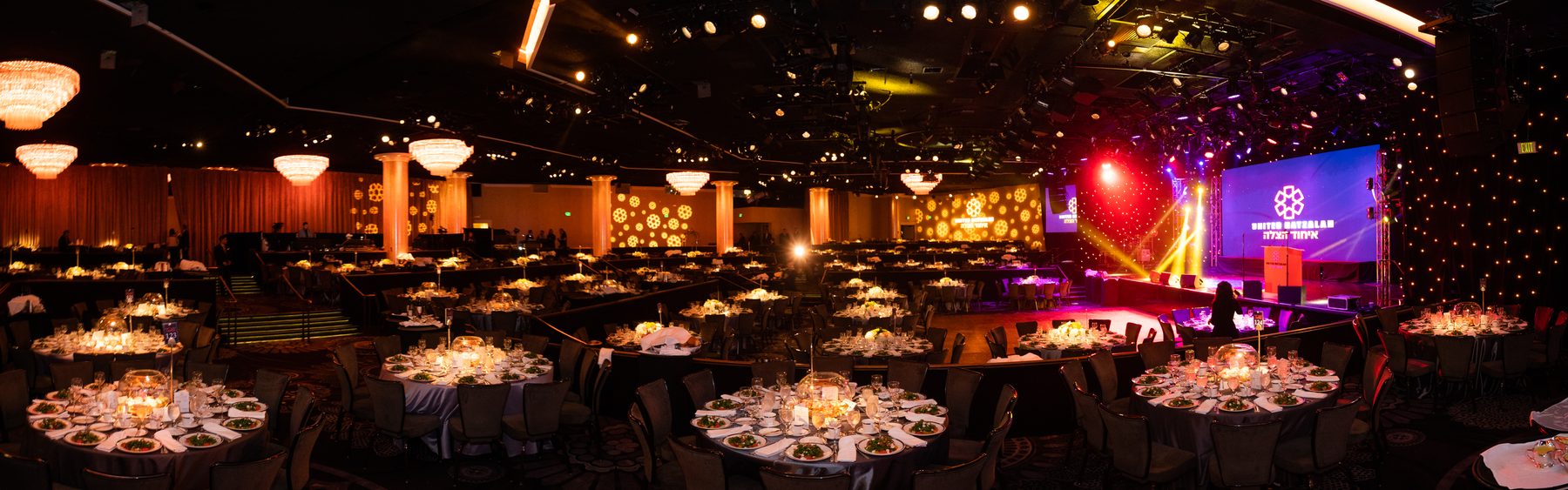
Ask candidates to explain a comparable operational challenge and their role in addressing it. A festival photograph can establish context, but it does not tell you which company managed the site or held the relevant responsibilities.
What does Event Pros LA's festival work demonstrate?
The documented festival case study covers Event Pros LA's work as lead producer of an annual cultural festival at Rancho Park in Los Angeles, including multiple stages, vendor coordination, amusement infrastructure, shuttle and parking logistics, and security coordination. It provides a relevant example of a production with many connected activities.
Use those documented responsibilities as the starting point for a discussion about your festival. Do not assume the previous event's layout, staffing, approvals or attendance model can be transferred directly to a new site.
The useful comparison is how the team understands dependencies and organizes the work. Your proposal still needs a project-specific plan, appropriate specialists and clear client responsibilities.
What should happen during closure and debrief?
Agree on vendor shutdown, breakdown, collection and site handback before the event opens. Identify which suppliers perform the work and what supervision is included. Producer presence throughout every stage of strike should never be assumed without an agreed scope.
Afterward, separate operational lessons from audience or business analysis. Review coordination, program changes, guest information and outstanding supplier matters with the relevant teams. The organization should assign ownership of any attendance reporting, financial review or broader impact assessment.
Retain the decisions and records that will help a future edition. A useful debrief identifies what to repeat, what to change and who needs to act on each finding.
Frequently asked questions
Can an indoor-event planner produce an outdoor festival?
Relevant capabilities can overlap, but evaluate the actual experience and proposed specialist support. Ask about public access, site infrastructure, multiple vendors, agency coordination and the operating structure required by your event.
Does hiring a producer transfer all responsibility to that company?
No. Responsibilities depend on the contracts, site requirements and applicable obligations. Clarify what the organizer, venue, producer and specialist providers each own, with appropriate professional review where needed.
Can we hire help for one part of the festival?
Yes, a defined production service can be discussed. Identify the overall festival lead and specify how the service will integrate with the site and operating plan. A partial engagement covers the agreed responsibilities rather than the entire festival.
Begin with the operation your festival requires
Event Pros LA provides festival and public-event production. Share your proposed site, audience and program, along with existing partners and open decisions, to discuss the appropriate production scope.
Found this useful? Share it.
Planning an event?
Get a clear, itemized proposal.
Tell us the date, the guest count and the support you need, whether it's one service or the full production. Pricing follows a discovery call, with the scope and the costs itemized.
Share